
In today's data-driven world, Six Sigma certifications are in high demand across various industries. The Yellow Belt and Green Belt levels are pivotal, offering a strong foundation in process improvement and statistical tools. Understanding the nuances between these two certifications is crucial for professionals aiming to advance their careers. This article provides a comprehensive comparison, guiding readers through the key responsibilities, required skills, and career prospects of Six Sigma Green vs. Yellow Belt practitioners. Leveraging resources like the Free Six Sigma Yellow Belt Test, we'll demystify these roles, empowering readers to make informed career decisions and excel in their Six Sigma journey.
- Understanding Six Sigma Green vs. Yellow Belt Roles
- Requirements and Pathways to Six Sigma Yellow Belt
- Key Responsibilities of a Six Sigma Green Belt
- Free Six Sigma Yellow Belt Test: Preparation and Benefits
- Transitioning from Yellow to Green Belt: A Practical guide
Understanding Six Sigma Green vs. Yellow Belt Roles

In the robust framework of Six Sigma, the distinction between Green and Yellow Belt roles is critical, reflecting different levels of expertise and responsibility. A Yellow Belt, as certified by a trusted provider like the Global Testing Service, is an entry-level professional who applies basic Six Sigma tools and techniques to identify and solve immediate problems. They work closely with teams to understand data, analyze processes, and implement quick fixes. Their role is pivotal in driving continuous improvement within an organization. On the other hand, a Green Belt is a more advanced practitioner who leads projects, mentors others, and ensures the successful implementation of Six Sigma methodologies. They possess a deeper understanding of statistical tools and process management, enabling them to guide teams and deliver sustainable results.
The journey from Yellow to Green Belt is a path of continuous learning and practical application. Many professionals pursue this transition by enrolling in comprehensive programs, such as those offered by the Six Sigma Academy, which provides a structured learning environment. A Yellow Belt might enhance their skills through an online course, learn Six Sigma principles from expert-led forums, and gain real-world experience by participating in projects. This advancement offers numerous benefits, including enhanced career prospects, increased earning potential, and the satisfaction of contributing to large-scale organizational success. It's not just about the certification; it's about becoming a catalyst for positive change.
When considering the best study guide for yellow belt test, the path to certification becomes more manageable. Free resources like online discussion boards and video tutorials can supplement formal training. The online learning community offered by the certifying body can provide a wealth of knowledge, allowing candidates to connect with peers, share experiences, and clarify concepts. Learning Six Sigma online for free through digital libraries and interactive modules can offer a flexible and cost-effective alternative to traditional classrooms. This accessibility is a significant advantage, especially for professionals balancing work and study.
The choice between Green and Yellow Belt roles depends on individual career aspirations and organizational needs. Professionals considering the Yellow Belt to Green Belt transition should weigh their current skill set, desired impact, and the resources available through programs like the one found at where can i take the yellow belt test six sigma yellow belt training program. Whether aiming for immediate problem-solving or long-term leadership, a deep examine Six Sigma principles, coupled with practical experience, is key to success in these roles.
Requirements and Pathways to Six Sigma Yellow Belt

Achieving a Six Sigma Yellow Belt certification is a significant step for professionals aiming to enhance their process improvement skills and contribute to data-driven decision-making. This certification, offered through various Global Testing Services and industry-recognized Certifying Bodies, signifies a strong understanding of Six Sigma methodology. The path to becoming a Yellow Belt involves a combination of structured training, practical application, and a thorough grasp of the core concepts.
Requirements to Become a Yellow Belt
The requirements for the Yellow Belt test vary slightly depending on the certifying body, but they generally include completing a structured training program and demonstrating a solid grasp of the Six Sigma tools and techniques. Most programs encompass around 40-60 hours of instruction, covering topics such as process mapping, data collection, statistical analysis, and problem-solving. The curriculum is designed to equip individuals with the knowledge to identify and mitigate process defects, improve efficiency, and enhance customer satisfaction. Typically, the test consists of 40-50 multiple-choice questions, assessing understanding of both theoretical concepts and practical applications.
Where Can I Take the Yellow Belt Test?
Many reputable organizations offer the Six Sigma Yellow Belt assessment, including Online Assessment Platforms and specialized Six Sigma Academies. These platforms provide secure, proctored testing environments to ensure the integrity of the evaluation. Some companies may offer in-person testing at designated locations, while others facilitate remote testing through secure video conferencing tools. The testing fee, usually a one-time charge, varies based on the provider but generally ranges from $150 to $300. Once passed, individuals receive a certified Yellow Belt certificate, a valuable addition to their professional portfolio.
Pathway from Yellow to Black Belt
The Yellow Belt certification serves as a foundation for further advancement in Six Sigma. Aspiring Black Belts should consider enrolling in advanced training programs that build upon the Yellow Belt knowledge. These programs often include project-based learning, where participants apply Six Sigma principles to real-world scenarios. Over time, with increased experience and mastery of advanced tools, individuals can transition from Yellow to Green Belt and eventually Black Belt, taking on more significant leadership roles in process improvement initiatives.
Enhancing Your Study Experience
To excel in the Yellow Belt test, professionals should employ effective study strategies. This includes dedicating ample time to review course materials, practicing with sample tests, and utilizing memory retention techniques. The Six Sigma Yellow Belt Community, accessible through online learning platforms, offers valuable resources, including forums for peer support and expert-led discussions. Free practice tests for Green Belt after Yellow Belt can help solidify understanding and identify areas requiring further study. Remember, consistent effort, practical application, and a collaborative learning environment are key to achieving success in the Free Six Sigma Yellow Belt Test.
Key Responsibilities of a Six Sigma Green Belt

The Six Sigma Green Belt holds a crucial role in an organization's quality improvement journey. Unlike the Yellow Belt, which primarily supports and assists, the Green Belt is a hands-on facilitator and problem-solver. They apply statistical tools and techniques to identify, analyze, and eliminate process defects, driving continuous improvement across various business functions.
A Green Belt might be tasked with investigating a production line's sudden increase in defect rate. Using Six Sigma methodologies, they would gather data, conduct root cause analysis, and develop solutions. This involves creating and testing hypotheses, using statistical software, and presenting findings to stakeholders. Green Belts often lead smaller projects, but their impact can be significant. They bridge the gap between data analysis and operational implementation, ensuring that process improvements are both data-driven and feasible.
In preparation for the Free Six Sigma Yellow Belt Test and beyond, understanding these responsibilities is vital. The pathway from Yellow to Black Belt in Six Sigma often begins with Green Belt certification. It provides a solid foundation for advanced roles, where practitioners apply their skills to complex, high-stakes projects. Getting certified as a Six Sigma Yellow Belt, for example, can open doors to these advanced positions and enhance your career prospects. Free resources for Six Sigma Yellow Belt training online, including expert-led forums and interactive modules, can help you grasp these concepts more effectively.
Green Belts are expected to mentor and coach Yellow Belts, fostering a culture of continuous improvement throughout the organization. This knowledge-sharing aspect is a key advantage of Six Sigma certification. By understanding and embracing these roles, professionals can contribute significantly to their organizations' success and growth, making Six Sigma a valuable skill set in today's competitive business landscape.
Free Six Sigma Yellow Belt Test: Preparation and Benefits
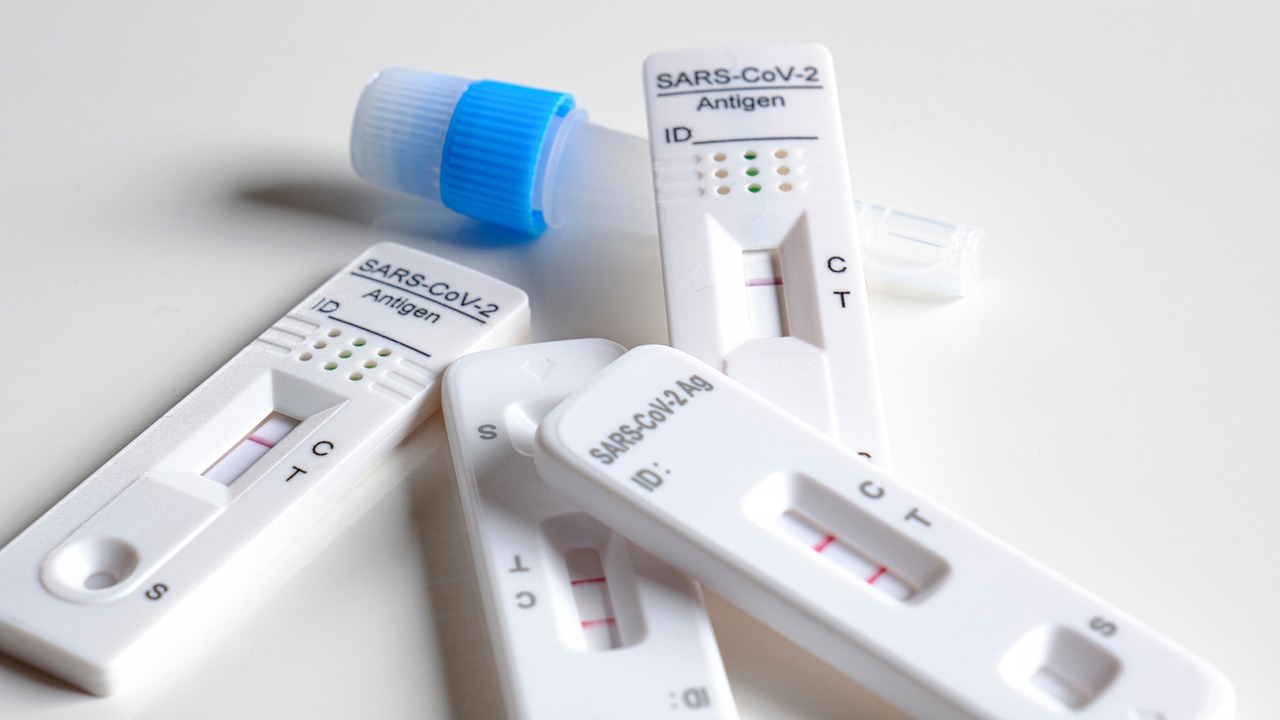
For those looking to enter the world of Six Sigma, the free Six Sigma Yellow Belt Test serves as a powerful tool for preparation and certification. This test is not just a gatekeeper but a gateway to a robust career in process improvement. Understanding what to expect and how to prepare can significantly enhance your chances of success. The Yellow Belt is the first step on the Six Sigma journey, providing a solid foundation for more advanced roles like Green Belt and Black Belt.
The Free Six Sigma Yellow Belt Test offers several key benefits. First, it provides an objective assessment of your knowledge and skills. With a focus on understanding statistical tools, data analysis, and problem-solving, this test ensures you meet the industry standards. Second, it's a cost-effective way to gain a recognized certification from reputable organizations. Many online platforms offer these tests at a fraction of the price of traditional training and certification programs. Third, it serves as a valuable study guide, highlighting areas that require further attention. By understanding the types and number of questions-typically ranging from 20 to 30-you can tailor your study plan accordingly.
The requirements to become a Yellow Belt are straightforward. You need a basic understanding of statistics and data analysis, as well as the ability to apply Six Sigma tools and techniques to real-world problems. A typical yellow belt test will evaluate your knowledge in areas such as process mapping, data collection, and basic statistical analysis. The passing score for the certification is usually a score of 70% or higher, ensuring that only those with a solid grasp of the material are recognized. Remember, the free Six Sigma Yellow Belt Test is not just a test; it's a stepping stone towards a rewarding career in process improvement.
To maximize your performance, employ effective study strategies. Start with a structured study plan, allocating time for each topic. Utilize online resources, such as video tutorials and interactive modules, to reinforce your understanding. Practice with sample questions to get a feel for the test format and identify areas for improvement. Engage with online communities to share experiences and learn from peers. These tips, combined with a dedicated approach, will empower you to succeed in the yellow belt test and achieve a world of opportunities in Six Sigma.
Transitioning from Yellow to Green Belt: A Practical guide

Upgrading from Six Sigma Yellow Belt to Green Belt signifies a significant step in your quality improvement journey. It's not merely about passing another test; it involves deepening your understanding of statistical tools, expanding your problem-solving capabilities, and demonstrating a commitment to continuous improvement. This transition requires a strategic approach, leveraging the knowledge and skills gained as a Yellow Belt while embracing new challenges.
The path to Green Belt is both a logical progression and a leap forward. While the Yellow Belt certification focuses on foundational concepts, Green Belt training examines more advanced statistical methods like design of experiments (DOE) and regression analysis. You'll learn to apply these tools to address complex process issues, optimize performance, and drive measurable improvements in your organization. Consider, for instance, a Yellow Belt certified quality control manager who identifies a recurring defect in a manufacturing process. As a Green Belt, they could design an experiment to isolate the root cause, analyze the data, and implement a sustainable solution, significantly reducing waste and improving product quality.
Connecting with other Yellow Belt certified professionals through online forums and learning communities (find us at connect with other yellow belt certified professionals) is invaluable during this transition. These platforms offer a space to discuss challenging projects, share insights, and learn from diverse perspectives. Remember, the journey to Green Belt is not just about acquiring knowledge; it's about applying that knowledge to solve real-world problems. Utilizing resources like free online practice tests (from platforms like the Global Testing Service) and interactive learning modules can help solidify your understanding and prepare you for the Green Belt exam. The advantages of getting Yellow Belt certified become even more apparent as you advance, as you're equipped to take on more complex projects and contribute significantly to your organization's Six Sigma initiatives.
Frequently Asked Questions About compare six sigma green vs yellow belt
What is the difference between a Six Sigma Green Belt and a Yellow Belt? The Six Sigma Green Belt and Yellow Belt are both certified levels within the Six Sigma methodology, a data-driven quality improvement process. The main distinction lies in scope and responsibility. A Yellow Belt is an entry-level certification, focusing on understanding and applying basic Six Sigma tools and techniques to solve problems within a defined process. Green Belts, on the other hand, have more advanced skills and lead projects, mentoring Yellow Belts and working on more complex, cross-functional projects that span multiple departments.
What are the requirements to become a Six Sigma Yellow Belt? To become a Yellow Belt, individuals typically need to complete a Six Sigma Yellow Belt training program, pass the Yellow Belt exam, and possess a foundational understanding of statistical methods and process improvement. While there is no formal educational requirement, a bachelor's degree is often preferred. Experience in a related field is valuable, but not always necessary, especially for those with a strong analytical background.
How does a Six Sigma Green Belt differ from a Black Belt? While both Green and Black Belts are advanced practitioners, the key difference lies in their roles and project scope. Green Belts lead specific projects, applying Six Sigma tools to improve processes. Black Belts, however, take on a more strategic role, managing a portfolio of projects and training and mentoring other Green Belts and Yellow Belts. They often work on the most challenging and critical projects within an organization.
What industries use Six Sigma Yellow Belts? Six Sigma Yellow Belts are valuable in a wide range of industries, including manufacturing, healthcare, finance, retail, and technology. Their problem-solving skills and ability to improve processes make them an asset in any sector that requires data-driven decision-making and continuous improvement.
What is the pathway from Yellow to Black Belt in Six Sigma? The transition from Yellow to Black Belt involves a combination of training, project experience, and demonstrated expertise. Typically, individuals advance by successfully leading several Green Belt projects, gaining experience in project management, and showcasing their proficiency in Six Sigma tools and methodologies. They may also be required to complete advanced training programs and obtain a Black Belt certification.
Can I transition from Yellow to Green Belt without a Green Belt certification? While not mandatory, transitioning from Yellow to Green Belt without a formal Green Belt certification is possible. Many organizations promote from within, allowing experienced Yellow Belts to take on Green Belt projects and gain on-the-job training and experience. However, formal training is recommended to ensure a solid understanding of advanced Six Sigma techniques.
Are there any online resources for Six Sigma Yellow Belt training? Absolutely. There are numerous online courses, webinars, and free resources available for those preparing to become a Six Sigma Yellow Belt. These materials cover the fundamentals of Six Sigma, statistical tools, and project management, allowing individuals to study at their own pace and gain the necessary knowledge and skills.
Understanding the distinctions between Six Sigma Green and Yellow Belt roles is crucial for any organization aiming to harness the power of continuous improvement. The Free Six Sigma Yellow Belt Test serves as a valuable tool to prepare and assess individuals, offering tangible benefits for both personal and professional growth. By mastering the key responsibilities of a Green Belt, such as leading project teams and implementing process improvements, professionals can seamlessly transition from Yellow to Green Belt levels. This progression not only enhances individual expertise but also contributes to the overall success of Six Sigma initiatives within any industry. Leveraging the resources and communities available through the yellow belt test, professionals can stay updated with industry insights, connect with peers, and employ advanced study techniques to excel in their Six Sigma journey.
- Roles and Responsibilities: Yellow Belts apply basic Six Sigma tools for immediate problem-solving, while Green Belts lead projects, mentor others, and ensure sustainable methodology implementation.
- Transition Pathway: The journey from Yellow to Green Belt involves structured learning, practical application, and mentorship. Programs like the Six Sigma Academy offer comprehensive training, along with online courses, forums, and project experience.
- Benefits of Green Belt Certification: Enhanced career prospects, increased earning potential, and driving large-scale organizational success.
- Free Six Sigma Yellow Belt Test: An objective assessment, cost-effective certification, and valuable study guide, helping candidates prepare for the industry-standard test.
- Key Focus for Green Belt Transition: Deepening statistical knowledge (e.g., DOE, regression analysis), applying tools to complex problems, and connecting with peers for real-world insights.